Bug Identification Guide
Occasional Invaders-General
This is a catch-all group for those pests which invade homes from time to time. Although some may cause damage indoors, such as crickets, they do not enter a structure for this purpose. They are typically nuisance pests that cannot survive for long indoors.
Pest Facts: Earwigs
Description
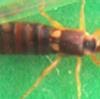
Earwigs got their name from the myth that they crawl into sleeping people’s ears and tunnel into their brains. The long cerci, or clippers, on their backsides easily identify an earwig.
Pest Facts:
Color: Dark brown
Legs: Six
Shape: Long, narrow
Size: 1 inch
Antennae: Yes
Flying: No
Region: All 50 States
Habits: Earwigs hide during the day and feed on leaves, flowers, fruits, mold and insects at night.
Habitat: These insects live together outdoors in large numbers. They can be found under piles of lawn debris, mulch, or in tree holes. They gain entry to a structure through exterior cracks
Threats: Contrary to folklore, earwigs do not crawl into ears and eat people’s brains at night. They do not spread diseases, but their menacing appearance can be alarming to a homeowner.
Prevention: Remove harborage sites such as leaf piles, mulch piles, or other vegetation. Seal cracks and crevices well to prevent structural entry.
Fabric and Paper Pests

Each year, widespread damage is caused by fabric pests. This is because of the common use of wool and other animal hair in clothing, carpeting, furniture, etc., and a failure to properly protect these items from insect attacks. These insect pests share the unusual ability to digest the protein keratin, the major component of animal hair, feathers, horns, hoofs, etc.
Pest Facts: Indian Meal Moths
Description

The Indianmeal moth was given its name after an insect scientist found it feeding on corn meal, also known as Indian meal. From wing tip to wing tip, adult moths measure from five-eighths of an inch to three-fourths of an inch long.
Pest Facts:
Color: Copper reddish coloring on the outer part of wings
Legs: Six
Shape: Elongated oval
Size: 5/8 inches
Antennae: Yes
Flying: Yes
Region: All 50 States
Habits: These moths like to feed on dried fruits, grains, seeds, nuts, chocolate, candies, birdseed, dog food, powdered milk, dried red peppers, and candy.
Habitat: Attracted to the light, these bugs are found worldwide in areas where food is stored, such as grocery stores.
Threats: Indian Meal Moths infest foods and can contaminate food products.
Prevention: Dried food products should be inspected thoroughly for signs of moth infestations. Discard infested foods in outdoor trash bins. Clean infested cupboards thoroughly with a vacuum and soap and water. Store food in sealed containers.
Pest Facts: Pillbugs
Description
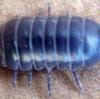
This pest is the only crustacean that has become completely adapted to spending its life on land. Pillbugs have oval bodies and seven pairs of legs. They are easily recognized by their back, which is made up of seven hard individual plates. Pillbugs are sometimes referred to as rollie-pollies.
Pest Facts:
Color: Dark brown to black
Legs: Fourteen
Shape: Oval; round when rolled up
Size: 3/4 inches
Antennae: Yes
Flying: No
Region: All 50 States
Habits: Pillbugs eat decaying vegetable material and are most active at night. They are known for their ability to roll into a ball.
Habitat: Pillbugs live in moist locations. They are found under damp objects or under vegetable debris.
Threats: Pillbugs do not spread diseases or invade food products. However, the pillbug is often considered a pest when it gains entry into a home.
Prevention: Pillbugs can be avoided by eliminating food sources such as vegetable or plant debris. If pillbugs enter a structure, they will often dry out and die.